







Search Results for: Coffee Silver Skin
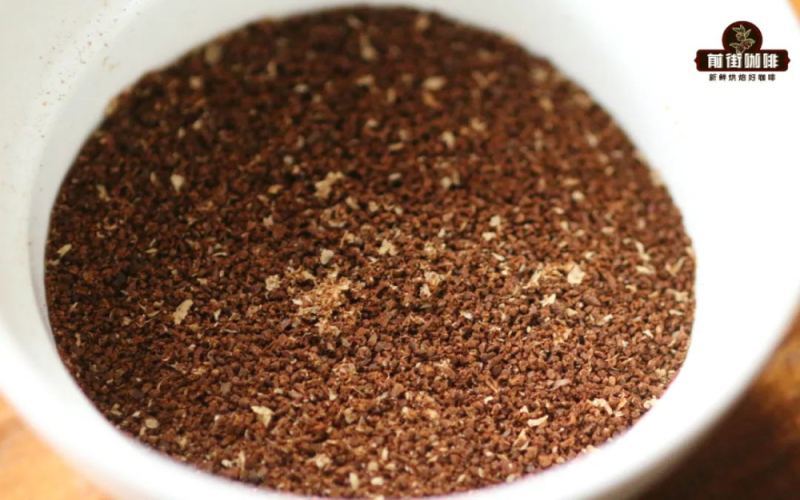
A Detailed Look at Coffee Silver Skin: Origins, Processing Method Differences, and an Empirical Analysis of Its Impact on Flavor
When grinding coffee beans, you'll often notice yellowish-white flecks mixed into the grounds—this is silver skin, the last protective layer of the green bean. How much of it remains depends mainly on how the coffee was processed, not on roasting technique. Natural-process beans shed their silver skin more completely, while washed beans, because the silver skin breaks into fragments, leave white lines in the bean's crease. Many people worry that silver skin will ruin the flavor. Through tasting silver skin steeped in water and comparative brewing experiments, Front Street found that silver skin itself carries a sweet corn- and wheat-like sweetness, and that coffee brewed without removing the silver skin tastes basically the same as coffee with it removed. This article will explain in detail where silver skin comes from, how it differs by processing method, and whether it truly affects coffee flavor. [more…]
Coffee Silver Skin Gets a New Life: Japan Launches Silver Skin Straws and Eco-Friendly Tissues
In the coffee industry chain, silver skin is often overlooked as a roasting by-product. However, Japan's Ito En and Tully's Coffee have teamed up to transform this thin protective layer into water-resistant straws. Every 10 grams of coffee beans produces enough silver skin to make two straws, and it does not interfere with the flavor of the drink. In fact, Tully's Coffee had already launched eco-friendly napkins containing silver skin as early as 2012. Although these products are currently limited to some stores in Japan, silver skin-blended paper has already taken an eco-friendly step in reducing pulp usage. This article will guide you through the transformation of coffee silver skin from waste to practical accessories, and revisit coffee grounds recycling cases such as Starbucks' ground coffee straws, exploring the possibility of fully utilizing the entire coffee fruit. [more…]
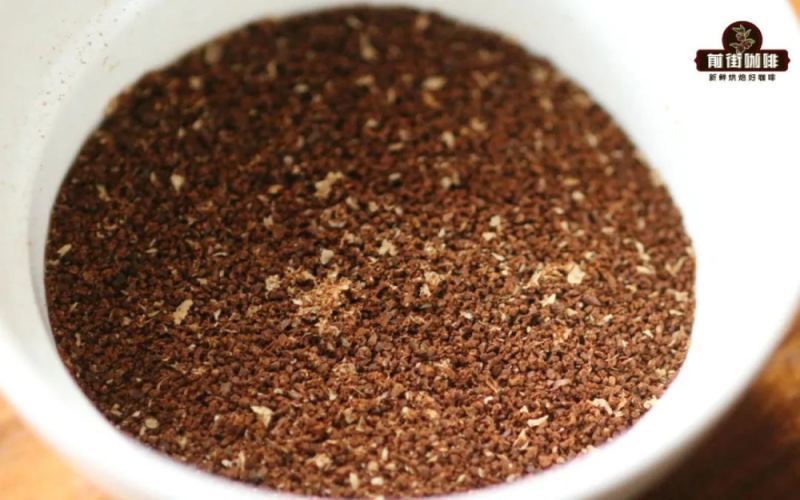
Exploring Silver Skin Flavor in Coffee Beans: What Real Impact Do Residual Flecks Have on Coffee Taste?
When grinding coffee beans, you will often find yellowish-white flakes mixed in with the grounds—these are the silver skin of the coffee bean. The silver skin is the last natural layer wrapping the green bean before roasting, and how much of it remains varies by processing method: naturally processed beans shed their silver skin relatively completely, while washed beans tend to leave an obvious white line at the center of the bean. Many coffee lovers wonder: do these silver skin flakes interfere with the flavor of the coffee? The roasters at Front Street Coffee designed a set of experiments specifically for this, extracting silver skin by three methods—pour-over, tea bags, and espresso machine—to verify its actual impact through taste performance. This article will walk you through the structural characteristics of silver skin, the differences in how much remains under different processing methods, and the flavor conclusions drawn from the experiments. [more…]
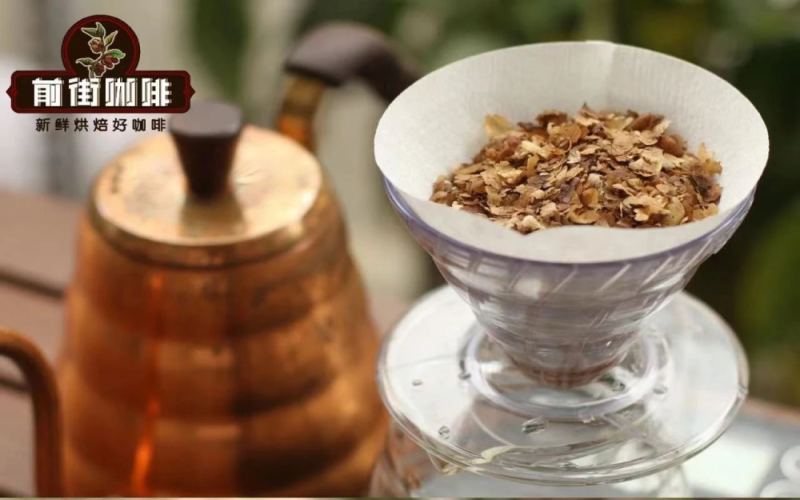
A Beginner's Guide to Choosing Single-Origin Black Coffee Beans for Pour-Over: Does Coffee Chaff Really Interfere with Flavor?
Many pour-over enthusiasts, after grinding coffee beans, feel uneasy when they notice silver skin remaining in the grounds—will these white flecks bring astringency and ruin a cup's cleanliness? Starting from the actual testing of Front Street Coffee's baristas, this article first clarifies the patterns of silver skin retention in different processing methods, then through brewing silver skin separately as well as comparative brewing with the silver skin removed versus retained, lets the flavor performance speak for itself, helping you judge the true impact of silver skin on coffee flavor, while also providing beginners with a practical reference approach for choosing pour-over single-origin black coffee beans. [more…]
Natural Yirgacheffe Tasting Guide: A Flavor Analysis from Processing Method, Silver Skin to Acidity and Sweet Aftertaste
Yirgacheffe is the go-to starting point for many coffee enthusiasts, and the natural process gives it a completely different flavor direction. Starting from Front Street Coffee's natural Yirgacheffe, this article sorts through the drying process and flavor characteristics of the natural method, and compares it with the washed version, helping readers understand natural beans' fermented wine-like aroma, honeyed sweetness, and full body. The article also discusses the effect of silver skin on astringency, the correct understanding of coffee's acidity, and the significance of body and sweetness in tasting, finally offering advice on learning to taste starting with single-origin coffee. [more…]
A Complete Guide to Natural and Washed Coffee Processing: Step-by-Step Procedures, Flavor Differences, and Green vs. Roasted Bean Comparison
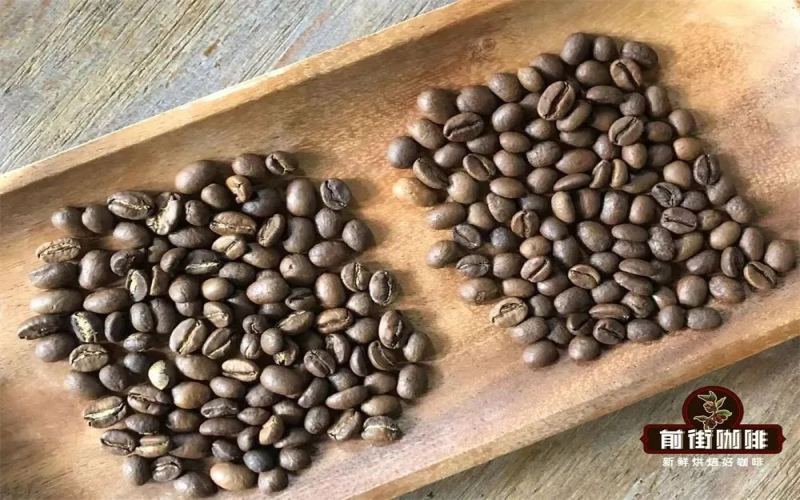
When buying coffee beans, the packaging often indicates processing methods such as natural, washed, and honey. What exactly is the difference between natural and washed? Front Street Coffee takes you through the structure of the coffee fruit to explain in detail the specific steps, advantages and disadvantages, and flavor characteristics of the two processing methods. It also uses two Yirgacheffe coffees—Front Street Natural Red Cherry and Washed Gudingding—to compare the silver skin differences between green beans and roasted beans, and to analyze the fermented sweetness of natural beans and the bright cleanliness of washed beans. Only by understanding processing methods can you better choose the flavor you love. [more…]

How to Identify Coffee Bean Processing Methods: A Practical Guide to Silver Skin Observation and Flavor Tasting
Many coffee enthusiasts can quickly determine a coffee bean's origin, variety, and processing method through observation and tasting. This is not an innate talent, but rather the mastery of certain practical techniques. Front Street Coffee has previously shared methods for identifying varieties with everyone, and this time will focus on how to distinguish coffee bean processing methods. The article unfolds from two angles: first, observing the amount of remaining silver skin, and second, distinguishing the flavor differences brought by different processing methods through tasting. Whether you are a coffee novice just starting out or an enthusiast hoping to further improve your tasting skills, these methods can help you more accurately understand the characteristics of processing methods such as natural, washed, and honey, so that you can make wiser choices when purchasing and brewing. [more…]

How Do Washed and Natural Coffee Beans Differ? A Clear Explanation from Silver Skin and Color to Flavor
Faced with a dazzling array of coffee beans, how can you quickly tell whether they are sun-dried or washed? In fact, as long as you grasp the basic processes of the two processing methods, and then combine them with the color of green beans, the silver skin of roasted beans, and the performance in the cup, you can easily distinguish them. The sun-dried method has a long history and relies on natural drying, so sugars easily seep into the bean surface; the washed method uses water tank screening and soaking to give coffee a cleaner tone. This article will start from the processing steps and compare one by one the differences between sun-dried and washed in green beans, roasted beans, and flavor, and use Front Street Yirgacheffe Sun-Dried Red Cherry and Washed Gudingding as examples to provide specific brewing comparisons, helping you quickly establish a basis for judgment in daily tasting. [more…]

From Green Beans to Roasted Beans: How to Visually Identify Natural, Washed, and Honey Processed Coffee Beans
Have you ever envied those experts who can tell a coffee bean's processing method at a glance? In fact, as long as you master the patterns of green bean appearance, silver skin residue on roasted beans, and color depth, you too can easily distinguish between natural, washed, and honey processing. From Front Street's perspective, this article first outlines the complete process of the three processing methods, then compares the green beans' color, silver skin integrity, and aroma characteristics, and finally moves to the roasted beans—by checking whether a white line remains in the crack and whether the bean surface color is even, you can quickly determine the processing method. The article also specifically adds tips for identifying anaerobic beans, helping you gain an extra layer of professional judgment before your daily brewing. [more…]
From Exocarp to Endosperm: Breaking Down the Coffee Cherry Layer by Layer, and How Processing Methods Shape the Flavor in Your Cup
Every coffee cherry is like a miniature flavor factory, with six layers—from the outermost skin to the seed buried deep within—each playing its own role. It is precisely the existence of these layers and the differences in how they are removed that determine the flavor directions of different processing methods such as natural, washed, and honey. The coffee tree belongs to the Rubiaceae family as an evergreen shrub or small tree, and its fruit is called a coffee cherry in the industry because its shape closely resembles a cherry. This time, we will not discuss the legend of the shepherd, nor repeat the classification of the three major varieties; instead, we will focus on the internal structure of the coffee cherry, disassembling one by one the six layers—exocarp, pulp, mucilage layer, endocarp, silver skin, and endosperm—to see how they work together to give coffee its ever-changing flavor expression. [more…]
How to Quickly Identify Coffee Bean Processing Methods by Silver Skin and Flavor: A Full Analysis of Washed, Natural, and Derived Processes
Faced with the dazzling array of coffee beans on the market, many enthusiasts hope to quickly determine their processing method. In fact, by mastering just two core techniques—observing the remnants of silver skin and tasting the flavor—you can broadly distinguish between washed, natural, and derived processes such as honey processing and wet-hulled. Drawing on the practical experience of Front Street Coffee, this article systematically organizes the bean appearance characteristics of globally common processing methods and regional processing methods, and through cupping comparisons of producing regions such as Yirgacheffe, helps you build clear identification logic and understand the flavor differences behind processes such as anaerobic fermentation. [more…]
Yirgacheffe Coffee Flavor Full Analysis: Washed vs. Natural Red Cherry Processing Differences and Brewing Comparison
Yirgacheffe, as the top choice for specialty coffee beginners, is known for its bright acidity and clean flavor. From the perspective of Front Street Coffee, this article systematically reviews the geography of the Yirgacheffe producing region, the principles of washed and natural processing methods, and compares the specific differences between two beans—Front Street washed Gedingding and natural Red Cherry—in terms of green bean appearance, roasting, cupping, and brewed flavor. The article also includes detailed roasting curves and V60 brewing parameters for both beans, making it suitable for coffee enthusiasts who want to gain a deeper understanding of the flavor formation and brewing performance of Yirgacheffe. [more…]
Yirgacheffe Region Flavors | What's the Difference Between Ethiopian Washed and Natural Yirgacheffe? How Should Yirgacheffe Washed Coffee Beans Be Roasted?
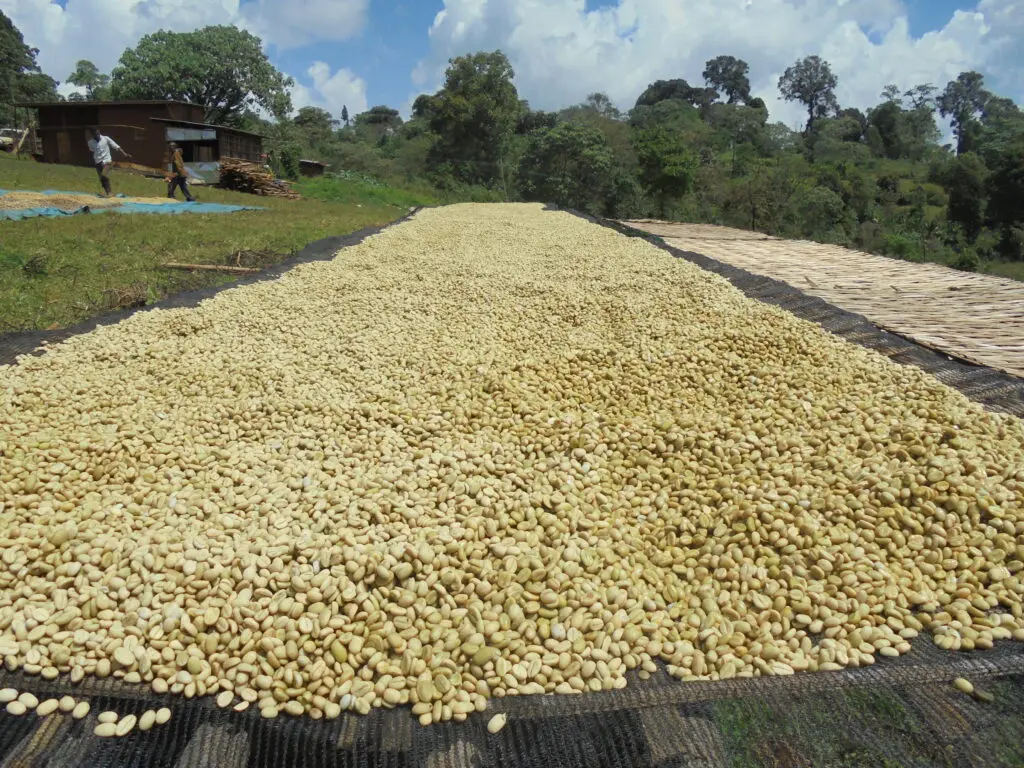
Yirgacheffe is a coffee region that everyone is surely familiar with. Its bright acidity and clean, refreshing coffee flavor have made it the first specialty pour-over coffee bean for many people. In recent years, Yirgacheffe has sparked a revival of the natural (sun-dried) style. In many people's memories, Yirgacheffe has always been washed [more…]
Yirgacheffe Washed vs. Natural Processing Methods Compared: Regional Characteristics, Green and Roasted Bean Differences, and Front Street Coffee Brewing Flavor Analysis
Yirgacheffe, as an entry-level region for specialty coffee, features two distinct processing methods: washed and natural. Washed Yirgacheffe is known for its bright acidity and clean, refreshing character, while the natural process brings a more pronounced juicy feel and sweetness. Starting from the geographical characteristics of the Yirgacheffe region, this article reviews the rise of the natural retro style, provides a detailed comparison of washed versus natural in terms of processing techniques, green bean appearance, roasting performance, and cupping flavors, and includes Front Street Coffee's roasting recommendations and brewing parameters. Whether you prefer fresh acidity or rich fruity sweetness, you can find the right cup of Yirgacheffe for you. [more…]
Yirgacheffe Kochere Coffee Flavor Analysis: Differences Between Washed and Natural Processing Methods and Brewing Recommendations
Yirgacheffe, as Ethiopia's most representative specialty coffee region, has won over countless coffee lovers with its bright acidity and elegant floral aroma. Among them, coffee beans produced in the Kochere area are even hailed as one of the best origins in southern Ethiopia. This article will comprehensively analyze the characteristics of Front Street Coffee's Yirgacheffe Kochere coffee beans from multiple dimensions, including the background of the region, the flavor differences between the washed and natural processing methods, the appearance comparison of green beans and roasted beans, the roasting curve, and the brewing parameters. Whether you are a coffee beginner just starting out or a flavor explorer seeking to advance, you can find practical reference information here. [more…]

How to Choose Yirgacheffe Coffee Beans? A Full Analysis of Regional Terroir, Processing Method Differences, and a Flavor Comparison of Natural and Washed
Yirgacheffe is the top choice for countless pour-over enthusiasts just getting started, its bright, clean acidity standing in stark contrast to traditional coffee. But when faced with the two processing methods—washed and natural—how exactly should one choose? This article starts from two representative beans from Front Street Coffee—Natural Red Cherry and Washed Gutingding—and systematically sorts through Yirgacheffe's growing region background, the process differences between washed and natural, the appearance characteristics of green and roasted beans, and then moves on to roasting curves, cupping performance, and brewing suggestions, helping you understand the flavor directions brought by different processing methods and find the Yirgacheffe that best suits your own taste. [more…]
Yirgacheffe Coffee Bean Flavor Differences Explained: Natural vs. Washed Processing Comparison and Brewing & Tasting Guide
Yirgacheffe, as a representative region of Ethiopian specialty coffee, has become the top choice for many coffee enthusiasts stepping into the world of specialty pour-over with its bright acidity and clean, refreshing flavor. This high-altitude region located on the eastern edge of the East African Rift Valley—which groups of people is it really suitable for? And what completely different taste experiences do the two processing methods, natural and washed, bring? This article starts from Front Street Coffee's two representative beans, Natural Red Cherry and Washed Gudingding, to deeply analyze the green bean appearance, roasting curves, cupping performance, and brewing parameters, taking you through a comprehensive understanding of the correct way to drink Yirgacheffe and its flavor code. [more…]
How can you tell coffee bean processing methods apart? Start with silver skin residue and cupping flavors to quickly distinguish natural, washed, honey, and wet-hulled methods
Many coffee enthusiasts hope to determine a coffee bean's processing method simply by observation or tasting, and there is actually a method to this. Drawing on Front Street's practical experience, this article systematically sorts out the classification logic of common processing methods: the globally universal washed and natural methods, as well as the region-specific Indonesian wet-hulled method and Central and South American honey process. The article focuses on how to quickly distinguish processing methods by observing the remaining silver skin on roasted beans, the white line in the bean crease, and the degree of caramelized sugar staining, while also using examples from producing regions such as Yirgacheffe to explain the differences between natural and washed coffees in flavor layering, sweetness, and cleanliness, and extending to the flavor logic of anaerobic processing, helping you build a practical framework for discernment. [more…]
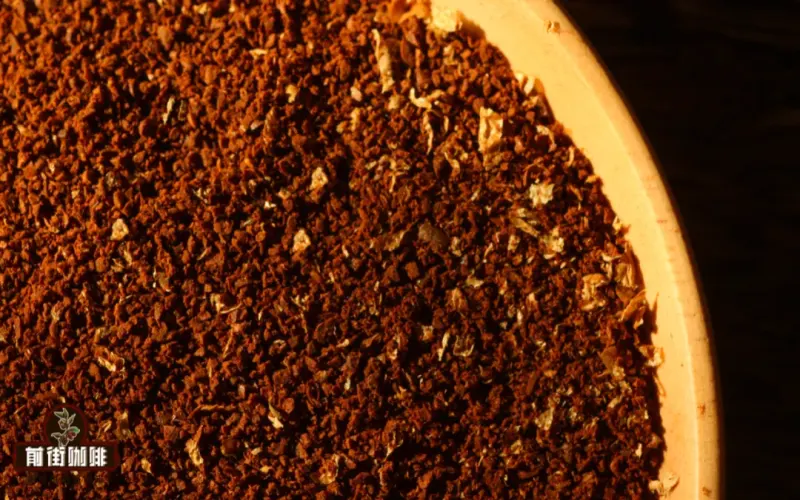
Analysis of Differences Between Washed and Natural Coffee: Sources of White Flaky Substances in Ground Coffee and Recommendations for Silver Skin Handling
When grinding coffee beans, have you ever noticed white flakes mixed into the grounds? What exactly are these fluffy bits, and do they need to be picked out? Starting from the nature of coffee chaff, this article systematically sorts out the core differences between washed and natural processing methods, and answers this question that comes up most often in Front Street Coffee's backend. Combined with multiple sets of on-site photos, the article explains in detail the residual condition of chaff under different processing methods, its actual impact on flavor and extraction, and how to deal with it during daily brewing. Whether you are a beginner just starting out or an enthusiast already accustomed to pour-over, you can get clear, practical answers from it, and never again feel confused by the white flakes in your coffee grounds. [more…]
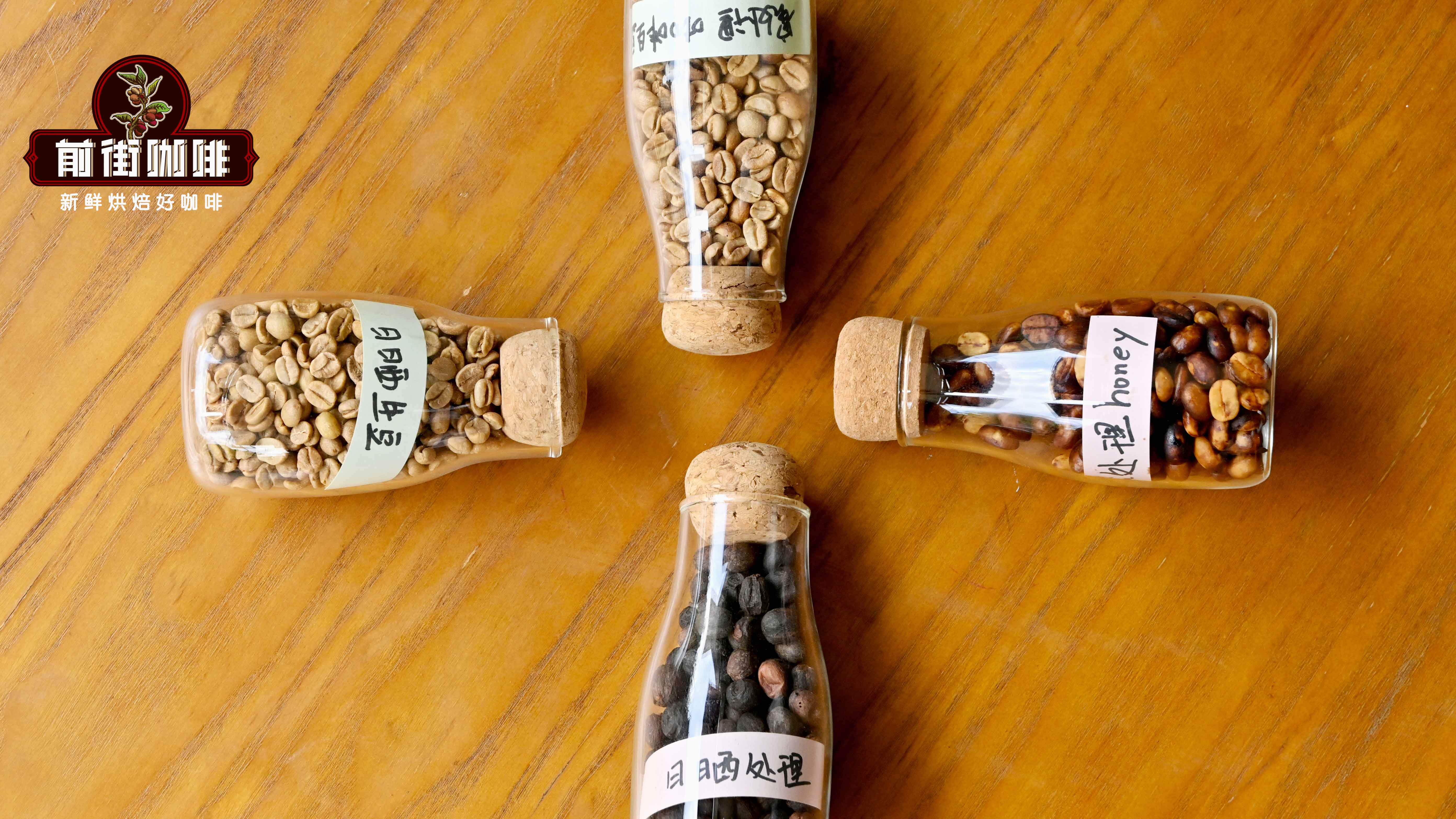
A Complete Analysis of the Flavor Differences Between Natural and Washed Coffee Beans: From Green Bean Appearance to Cupping Taste and Brewing Comparison
Among coffee bean processing methods, natural and washed are the most common, and the two differ significantly in green bean appearance, roasting performance, silver skin shedding, and final cupping flavor. Through long-term cupping, Front Street Coffee has found that washed beans highlight the bean's intrinsic flavor, with bright and clean acidity; natural beans, because the fruit pulp participates in drying, have richer aroma, enhanced sweetness and body, and more complex flavor. This article compares two Panama Butterfly beans, one natural and one washed, one by one from processing flow, advantages and disadvantages, roasting details to actual brewing parameters, helping coffee enthusiasts understand the flavor changes brought by different processing methods and make choices based on personal preference. [more…]